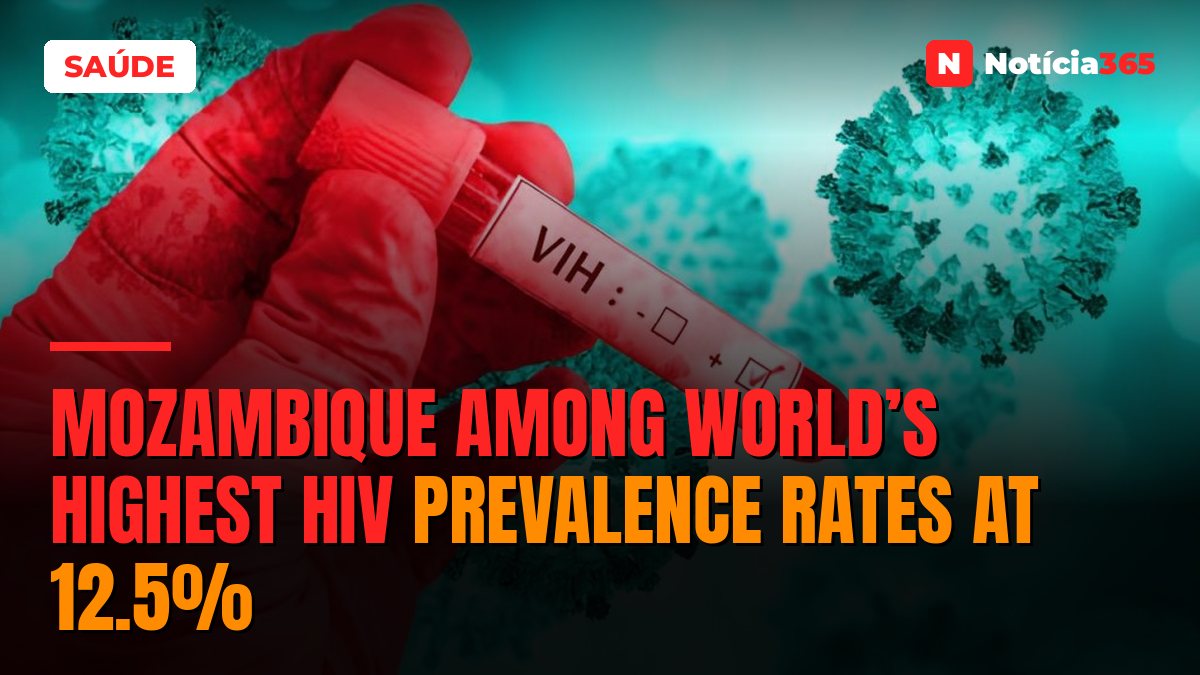

Mozambique records an HIV prevalence rate of 12.5% among adults aged 15 and above, placing the country among the most severely affected by the epidemic worldwide. Women bear a disproportionate burden, with a prevalence rate of 15% compared with 9.5% among men.
"Mozambique has one of the highest HIV prevalence rates in the world, and the disease remains one of the leading causes of death and disability in the country," said Zainaba Andala, president of the Parliamentary Office for HIV and AIDS Prevention and Combat, during the presentation of the data in Maputo. The figures were disclosed during the Fourth Ordinary Session of the National Assembly.
The report covers activities carried out between May and October 2026 and includes parliamentary experiences, recommendations, and action plans to strengthen the national response to the epidemic. According to the document, the distribution of cases is not uniform across the country, with the provinces of Maputo, Manica, and Cabo Delgado currently recording the highest numbers.
In the area of treatment, 130,050 people initiated antiretroviral therapy (ART) in the first half of 2026, of whom 5,767 are children and 124,283 are adults. These figures bring overall treatment coverage to 87%, though disparities persist across age groups: coverage stands at 62% among children aged zero to 14, and 89% among adults aged 15 and above.
On the prevention front, 172,315 individuals benefited from pre-exposure prophylaxis (PrEP), a preventive measure involving the use of medication by HIV-negative people to reduce the risk of contracting the virus. In addition, close to 100% of pregnant women living with HIV who are enrolled in antenatal care received antiretroviral treatment, a measure designed to prevent mother-to-child transmission.
Against this backdrop, Zainaba Andala advocated for a progressive increase in domestic financing to reduce dependence on external resources and ensure continuity of prevention, treatment, and care for people living with HIV. "The country needs to be prepared to lead, implement, and monitor the HIV and AIDS response independently over the long term," she stressed, also calling for reinforced national technical, institutional, and financial capacities.
The Parliamentary Office also advocated for human rights-aligned legislative reforms and an integrated approach to halting the epidemic by 2030. During the debate, lawmakers identified poverty and socioeconomic vulnerability as key drivers of HIV transmission, particularly among women and young people in extreme poverty who may engage in transactional sex in exchange for food or other essential goods.
Source: Diário Económico
Original article: https://www.diarioeconomico.co.mz/2026/11/01/desenvolvimento-2/mocambique-entre-os-paises-com-maior-prevalencia-do-vih-no-mundo/