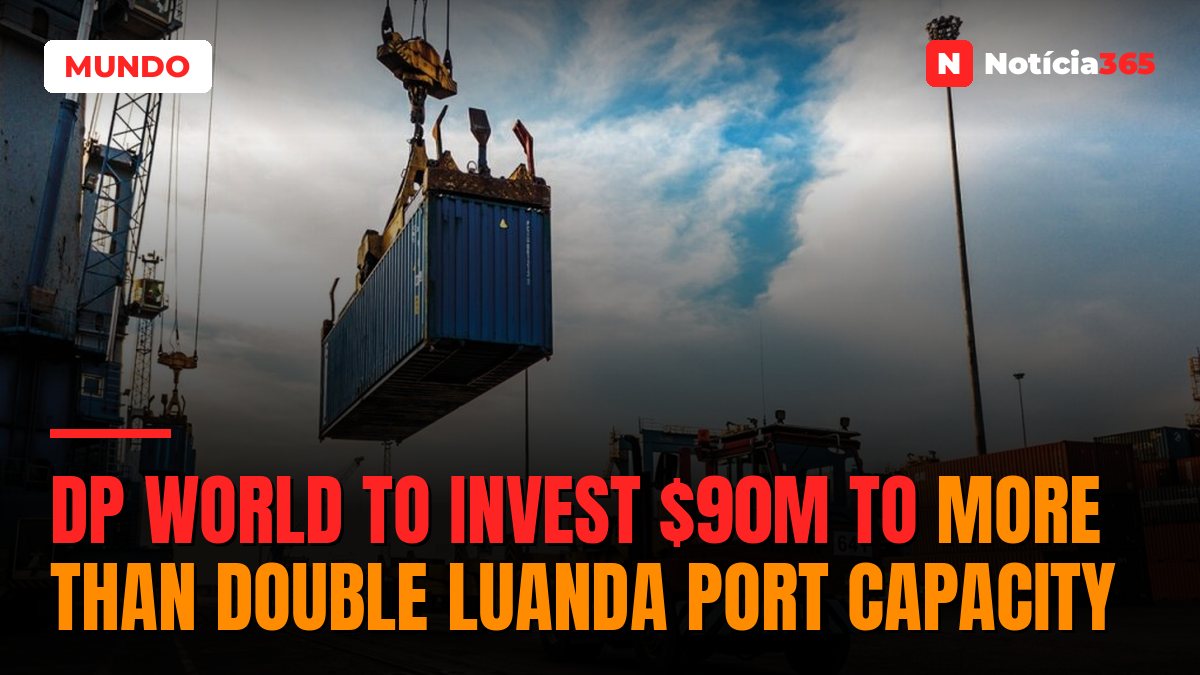

DP World, the multinational port management and logistics operator, will invest $90 million in the multipurpose terminal at the Port of Luanda, Angola, to increase annual container handling capacity from 500,000 to 1.2 million units. The two-year investment was announced on 6 October during the inauguration ceremony of the terminal's new building.
The project encompasses infrastructure modernisation, equipment procurement, and operational improvements. The addition of 700,000 containers in annual capacity is intended to position Luanda to meet rising demand and strengthen its role as a maritime gateway between Angola and regional markets.
The investment will be accompanied by a ten-year extension of DP World's terminal concession, running through to 2051. The extended agreement provides the company with additional time to execute the works, operate the facilities, and recover its capital outlay.

Construction works include a 222-metre extension of the quay and a ten-hectare expansion of the operational area. Three ship-to-shore cranes are also planned to handle containers between vessels and the berth.
Infrastructure Expansion and Operational Capacity
With the new equipment in place, the terminal will be able to accommodate two Post-Panamax vessels simultaneously — a class designed to carry large volumes of containers. This capability is expected to increase cargo throughput and bring the terminal's operations closer to the standards of the main maritime trade hubs in Sub-Saharan Africa.
The Angolan market will remain the primary source of demand for services at the Port of Luanda. However, the increased capacity could also allow the terminal to handle containers from neighbouring countries for onward transfer to other vessels — an operation known as transhipment. This possibility could enhance the port's competitiveness in attracting shipping routes and regional trade flows.
DP World has operated the multipurpose terminal under a long-term concession and has made investments in previous phases. The new $90 million commitment represents the largest single investment the company has made in this facility to date, reinforcing its position in Angola's port sector.
The project's financial returns will depend on growth in cargo volumes, adherence to construction timelines, and the timely commissioning of new equipment. The cranes are expected to reduce container dwell time and increase the productivity of available space — a significant advantage at a port with limited room for expansion.
Demand, Returns, and Regional Market Connectivity
The expansion forms part of Angola's broader infrastructure development push, which draws in part on support from development finance institutions. However, increased port capacity alone does not guarantee trade growth. The efficiency of road and rail links will be equally important in moving goods between the port and their final destinations.
In the months ahead, progress on construction timelines and equipment delivery will be key indicators to monitor. The trajectory of container volumes will provide a measure of whether demand keeps pace with the expanded capacity. DP World's integration of the terminal into its broader African port network, and decisions by major shipping lines on regional routing, will also influence utilisation levels once the expansion is complete.
Source: Diário Económico
Original article: https://www.diarioeconomico.co.mz/2026/10/13/mundo/angola/angola-dp-world-anuncia-investimento-de-90-m-para-aumentar-capacidade-do-porto-de-luanda/