- The result marks a dramatic reversal for the party of late liberation icon Nelson Mandela, which captured nearly two-thirds of the vote in South Africa’s first democratic elections in 1994.
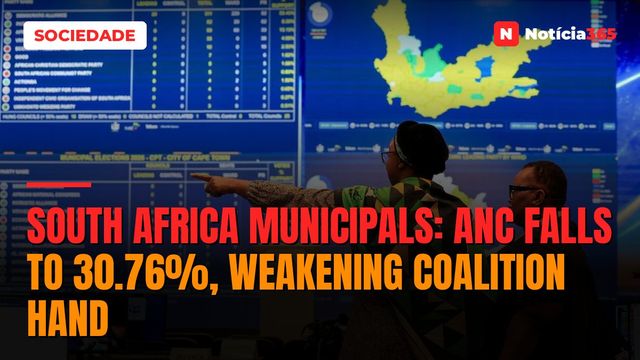
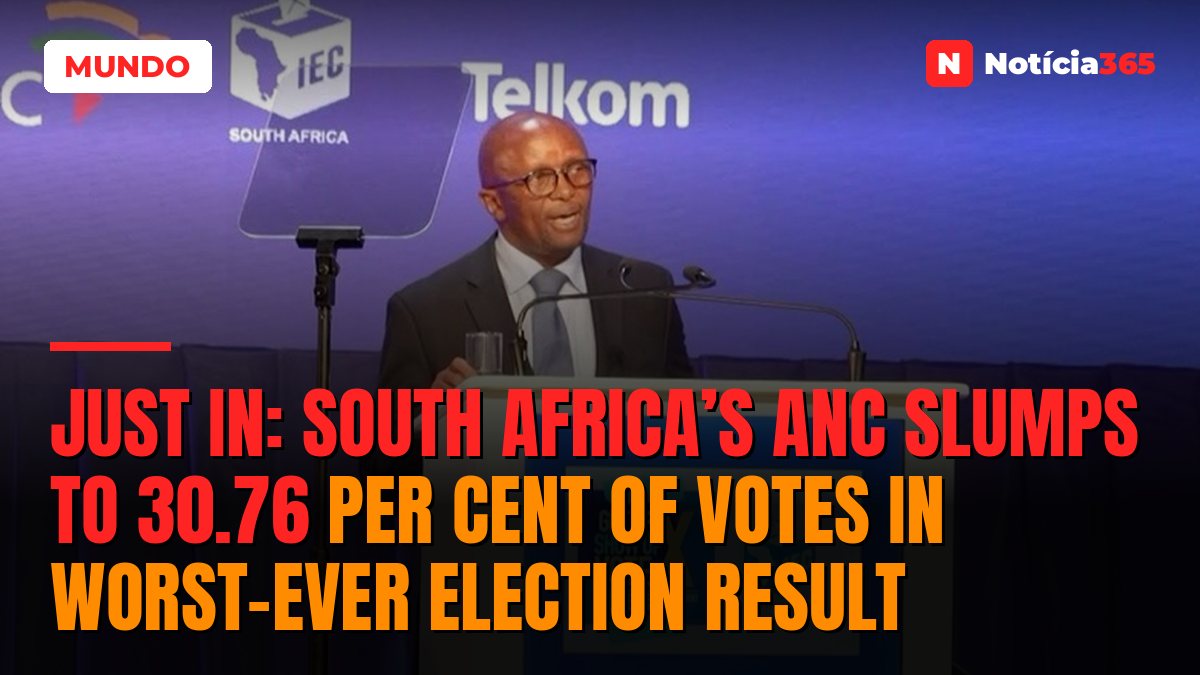
The African National Congress, which has dominated South African politics since the end of apartheid, took 30.76 percent of votes in municipal elections, its worst-ever electoral performance, the electoral commission said Sunday.
With no party winning outright in many municipalities, the results set the stage for fraught multiparty coalition negotiations to govern several major cities.
The liberal Democratic Alliance (DA), the ANC’s closest challenger and main partner in the national unity government, took around a quarter of the vote, the final count showed.
The result marks a dramatic reversal for the party of late liberation icon Nelson Mandela, which captured nearly two-thirds of the vote in South Africa’s first democratic elections in 1994.
While still the largest party, its support has since dwindled as unemployment topped 34 percent, among the world’s highest, while crime and corruption scandals dogged the party.
Water shortages, electricity outages and poor service delivery were among the issues that dominated Wednesday’s ballot, as voters weighed the performance of parties running their towns and cities.
Catastrophic
“Where we have fallen short, this movement does not dispute it. Communities have gone without water. Refuse has not been collected. Roads have not been maintained,” ANC secretary-general Fikile Mbalula said on Saturday, describing the results as “catastrophic”.
“We have been weighed in the balance, and where we have been found wanting we dare not quarrel with the scale,” he told reporters.
More than half of South Africa’s 213 councils have no outright majority, forcing parties into potentially tricky negotiations to assemble governing coalitions.
Previous coalitions have often been plagued by infighting and shifting alliances, leaving local administrations paralysed and basic services neglected.
The parties face a tight timetable, with newly elected councils required by law to hold their first meetings within 14 days of the formal declaration of results, when councillors elect mayors and other office-bearers.
All but one of South Africa’s eight major cities face coalition negotiations, with the DA securing the only outright majority in Cape Town.
The DA was also leading in Johannesburg, the economic hub, where it fielded 75-year-old veteran politician Helen Zille, nicknamed “Gogo” (grandmother), a longtime ANC critic who built her career in Cape Town.
Centre-right ActionSA, founded by former Johannesburg mayor Herman Mashaba after splitting from the DA, finished fifth nationally but could hold the balance of power in major metros, including Tshwane, home to the capital Pretoria.
LGE 2026 | IEC Chairperson Mosotho Moepya announces the leading parties in municipalities, with the ANC securing outright control in 53 municipalities, followed by the DA with 12. https://t.co/J2d7B5rOGw
— SABC News (@SABCNews) November 8, 2026
LIVE | ANC wins 30.8% support in election, followed by DA with 24.6%, MKP on 9.7%
https://t.co/aY2cRN5v9E https://t.co/FhpWwMa4Rn
— News24 🇿🇦 (@News24) November 8, 2026
This 270-seat council sees the DA gain 20 seats from their 2021 tally of 71 seats to lead the council with 91 seats, the number of seats previously held by the ANC in 2021. The ANC loses 28 seats, down to 63 seats in 2026, while ActionSA loses a seat, from 44 in 2021 to 43 seats for 2026.
The EFF loses 12 seats, down from 29 in 2021 to 17 seats for 2026, as MKP enters council with 15 seats for 2026.
— SABC News (@SABCNews) November 8, 2026