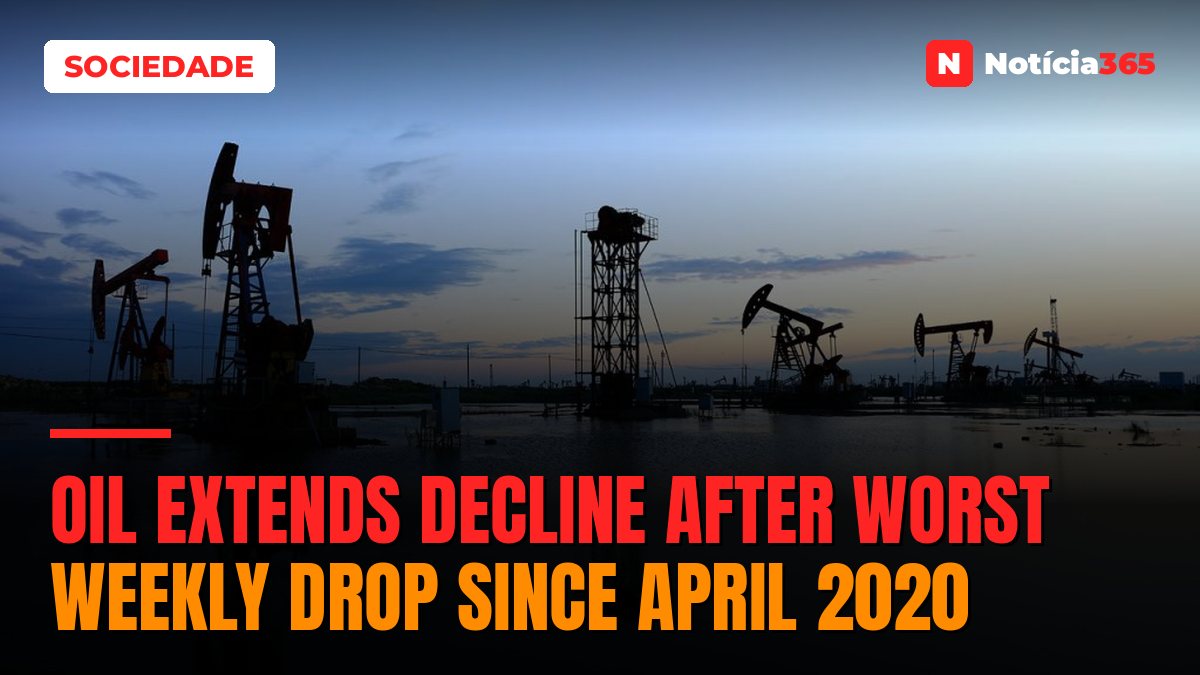

Oil is trading lower on international markets this Monday, 9 November, deepening a decline that made last week the worst for crude prices since April 2020, when the world was grappling with the Covid-19 pandemic. Investors are increasingly pricing in a higher probability that the conflict in the Middle East could come to an end, as diplomatic efforts to halt the war gain momentum.
North Sea Brent crude — the European benchmark — was down 1.16% to $96.88 per barrel in morning trade, having already shed more than 16% in the previous week. West Texas Intermediate (WTI), the US benchmark, fell 1.87% to $89.98 per barrel, while natural gas traded in Amsterdam edged up 0.84% to €86.18 per megawatt-hour.
The so-called ‘blue wave’ from the US midterm elections — in which Democrats secured a majority in Congress and flipped a number of traditionally Republican states — has helped ease investor concerns over a potential escalation in tensions with Iran.
On Sunday, US President Donald Trump told CNN it was ‘very unlikely’ he would order further strikes against the Middle Eastern country, provided that negotiations made significant progress. However, US Secretary of State Marco Rubio tempered expectations of an imminent deal, stating that some of Iran’s demands were ‘outrageous and ridiculous’.
‘Greater pressure to reach a deal does not necessarily mean a deal is closer,’ Jorge Leon, Head of Geopolitical Analysis at Rystad Energy, told Bloomberg. ‘If we see a new escalation, much of last week’s oil price decline could reverse quickly,’ he added.
Source: Diário Económico
Original article: https://www.diarioeconomico.co.mz/2026/11/09/mercados/commodities/petroleo-volta-a-cair-apos-ter-registado-pior-semana-desde-abril-de-2020/