- With support from the Government of Japan and UNDP, 180 people in Nangade District are gaining new opportunities to rebuild their livelihoods, strengthen food security and contribute to the economic recovery of conflict-affected communities.
In communities affected by years of conflict and displacement, restoring livelihoods is essential to rebuilding lives and strengthening resilience. In Nangade District, a community-based fish farming initiative is creating new opportunities for families to generate income, improve access to nutritious food and regain economic independence.
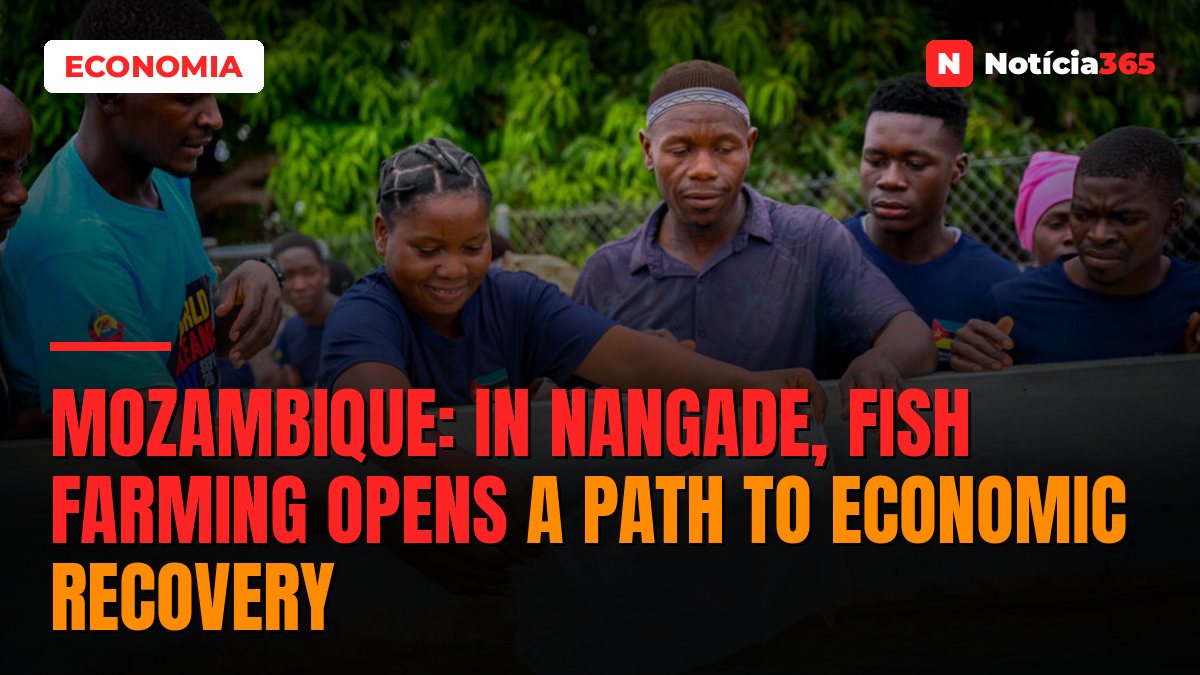
On 1 October 2026, the Government of Cabo Delgado Province, through the Provincial Services for Economic Activities (SPAE), in partnership with the United Nations Development Programme (UNDP), and with funding from the Government of Japan, handed over 18 fish farming tanks to 18 community associations, directly benefiting 180 women and men.
Implemented under the Cabo Delgado Stabilization and Immediate Recovery Project, the initiative supports efforts to restore productive activities, diversify livelihoods and strengthen the economic resilience of communities affected by the conflict.
Each association, comprising approximately ten members, will manage one fish farming tank. The beneficiaries also received 2,200 fingerlings, approximately two tonnes of fish feed and specialised technical assistance to strengthen their production and management capacities.
The initiative is expected to reach approximately 900 households, improving access to quality sources of protein while creating income-generating opportunities through the production and sale of fish and fingerlings.
Rebuilding livelihoods, strengthening communities
Since 2017, the conflict in Cabo Delgado has disrupted economic activities, displaced families and weakened traditional sources of income. For many communities, restoring livelihoods is not only an economic necessity but also a critical step towards stability, dignity and self-reliance.
UNDP’s stabilization approach recognizes that sustainable recovery requires more than rebuilding infrastructure and restoring essential services. It also means creating opportunities for people to participate in local economies, strengthen community ties and shape their own futures.
In Nangade, the fish farming initiative puts this approach into practice by providing communities with productive assets, technical knowledge and opportunities for collective economic participation.
By placing the management of the tanks in the hands of local associations, the intervention promotes community ownership, shared responsibility and cooperation, while strengthening the foundations for sustainable livelihoods and social cohesion.
From immediate recovery to sustainable opportunities
Beyond the initial handover, the initiative prioritises long-term sustainability. Continued technical support will help beneficiary associations strengthen their aquaculture management skills, improve production practices and progressively manage their activities independently.
The expected benefits extend beyond the 180 direct beneficiaries. Increased fish production has the potential to stimulate local markets, diversify household incomes and improve access to nutritious food, contributing to wider community recovery.
The intervention also reflects the importance of locally driven solutions that connect immediate recovery needs with longer-term development, ensuring that investments contribute to lasting economic opportunities.
Partnerships for lasting recovery
The initiative demonstrates the continued commitment of the Government of Mozambique, the Government of Japan and UNDP to supporting stabilization and recovery in Cabo Delgado.
Through an integrated approach that combines livelihood restoration, community engagement, institutional strengthening and social cohesion, the partnership seeks to address the underlying vulnerabilities affecting conflict-impacted communities.
This intervention contributes to the Sustainable Development Goals, particularly SDG 1 (No Poverty), SDG 2 (Zero Hunger), SDG 8 (Decent Work and Economic Growth) and SDG 16 (Peace, Justice and Strong Institutions).
For the families and associations in Nangade, the 18 fish farming tanks represent more than productive infrastructure. They offer an opportunity to rebuild livelihoods, strengthen economic independence and contribute to a more resilient local economy.
Because sustainable recovery is not simply about restoring what was lost. It is about empowering communities to build a more secure, inclusive and sustainable future.
About UNDP
The United Nations Development Programme (UNDP) is the leading United Nations organisation fighting to end the injustice of poverty, inequality and climate change. Working with its broad network of experts and partners in 170 countries and territories, UNDP helps nations build integrated, lasting solutions for people and planet.
Learn more at www.undp.org/mozambique.