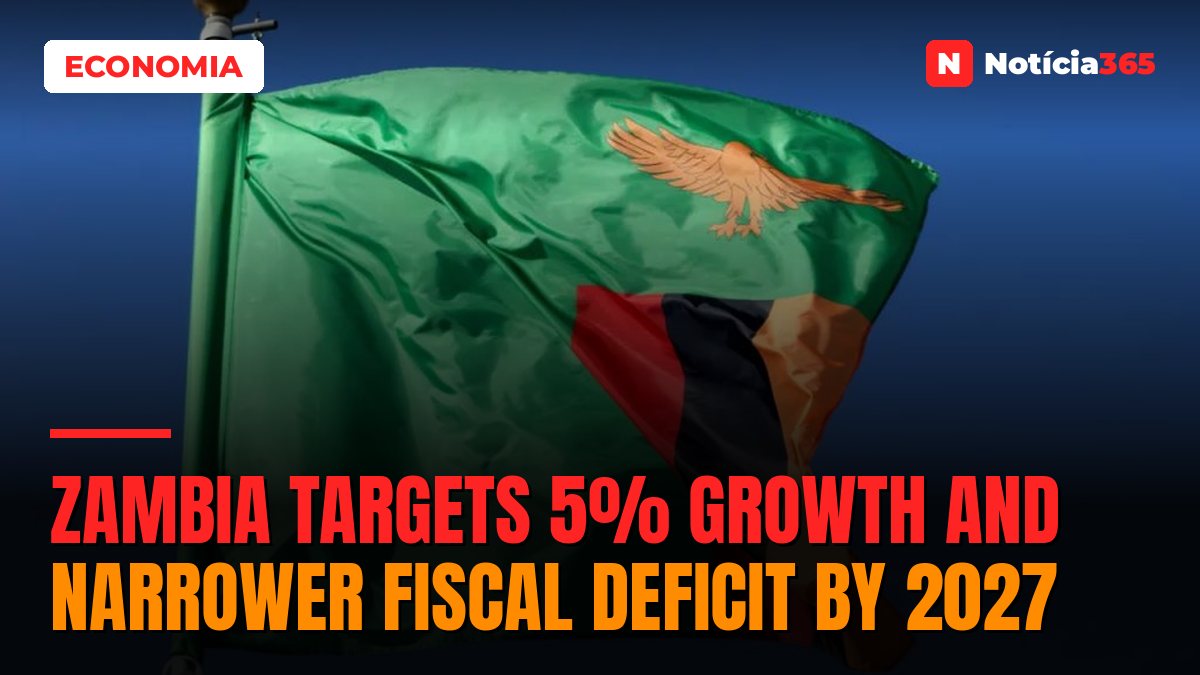

Zambia expects to sustain economic growth of around 5% in 2027 and reduce its fiscal deficit from 5.9% to a maximum of 3% of gross domestic product, Finance Minister Situmbeko Musokotwane announced on Friday.
The widening of the deficit in 2026 stemmed from cuts to fuel taxes introduced to cushion households and businesses from the impact of the conflict in Iran, as well as higher-than-projected spending on maize purchases to replenish the country's food reserves.
The Zambian economy is forecast to grow 5.3% in 2026, according to projections released in October. The country is working to consolidate its recovery from a prolonged debt crisis that led to the first African sovereign default during the COVID-19 pandemic in 2020.

In October, Zambia secured technical approval from the International Monetary Fund for a new financing programme worth US$1.5 billion, designed to underpin economic stability and financial sector reforms.
In the mining sector, Musokotwane projected copper production would reach 930,000 tonnes in 2026, up from approximately 890,000 tonnes in 2025. The government pledged to maintain a stable and predictable tax regime for mining companies.
Zambia aims to raise annual copper production to three million tonnes by 2031 — more than triple current output — reinforcing the mining sector's central role in the national economy.
Source: Diário Económico
Original article: https://www.diarioeconomico.co.mz/2026/11/08/mundo/africa/zambia-preve-crescimento-de-5-e-reducao-do-defice-orcamental-em-2027/