
Located along the Whale Coast in South Africa’s Western Cape province, Gansbaai is a destination defined by its proximity to the ocean, centuries of human history, and remarkable biodiversity. Internationally known for its encounters with marine life, the town also offers a variety of experiences that make a longer stay worthwhile.
For those looking to explore the destination beyond the water, there are several places worth adding to your itinerary.
Klipgat Cave

Located on the limestone cliffs of De Kelders, within the Walker Bay Nature Reserve, it offers a window into some of the earliest chapters of human history, preserving traces of human occupation dating back approximately 65,000 to 85,000 years.
Archaeological discoveries made in the cave have contributed to a deeper understanding of Middle Stone Age communities, including how they utilized marine resources and interacted with their surrounding environment.
Today, visitors can access the site via a walkway and stairs leading to the cave’s entrance. The site features two chambers and a circular path that allows visitors to explore its historical significance. Its location near the cliffs also offers breathtaking views of Walker Bay.
The surrounding hillsides also offer a prime vantage point for whale watching from land, especially during the migration season of the southern right whales, which seek out the bay’s sheltered waters to give birth and nurse their calves.
Walker Bay
The Walker Bay Nature Reserve is an excellent starting point for exploring Gansbaai. Stretching from the Klein River estuary to De Kelders, the area protects coastal landscapes, diverse bird species, and important marine habitats.
Visitors can hike scenic trails, go birdwatching, and observe marine life. Between June and November, the sheltered waters of Walker Bay typically become an important breeding and calving ground for southern right whales, offering opportunities for whale watching from the shore.
Further along, Pearly Beach offers a more tranquil experience, characterized by expansive sandy beaches and unobstructed views of the ocean. It’s a great option for those who prefer leisurely walks by the sea, away from the busier spots.
Cape Floral Kingdom
Gansbaai’s natural heritage extends far beyond its beaches. Inland, the fynbos-covered hills, mountain slopes, and small pockets of indigenous forest reveal a different side of the Overberg region.
Among the best-known conservation destinations is the Grootbos Private Nature Reserve, overlooking Walker Bay. The reserve protects an area of great botanical richness within the Cape Floral Kingdom, including various species of fynbos and ancient milkwood forests.
Guided botanical walks and nature experiences allow visitors to learn more about the local flora and understand the importance of conserving one of the world’s richest floral regions. Grootbos also combines biodiversity conservation with community development initiatives through its foundation.
For travelers seeking a more immersive experience, the Fynbos Trail offers a multi-day hike through the Walker Bay Fynbos Conservancy. The route traverses fynbos landscapes, forests, and rural areas of the Overberg, with luggage transport and overnight accommodations arranged along the way.
Another stop worth considering is the Platbos Native Forest, a rare patch of native forest where you can discover a natural environment distinct from the region’s predominant coastal landscapes.
Marine Conservation
Gansbaai’s relationship with the ocean goes far beyond tourism. The waters surrounding the region support an important marine ecosystem, while several local organizations carry out initiatives aimed at protecting wildlife.
In Kleinbaai, the African Penguin and Seabird Sanctuary offers a glimpse into the work of rescuing, rehabilitating, and releasing injured, oil-affected, displaced, or abandoned seabirds back into the wild.
Established as an initiative of the Dyer Island Conservation Trust, the sanctuary devotes special attention to the African penguin, an endangered species whose population faces increasing pressure due to food shortages, habitat changes, and other environmental threats.
The visit provides insight into the care required to rehabilitate these birds before their eventual release into the wild, while also raising awareness of conservation challenges along the South African coast.
For a more comprehensive view of marine biodiversity, Marine Dynamics organizes boat tours in the waters around Dyer Island. During the tours, visitors may have the opportunity to spot Cape seals, penguins, dolphins, whales, and various seabirds. Sightings are not guaranteed, but the experience offers a close-up look at the region’s ecosystem.
Danger Point Lighthouse
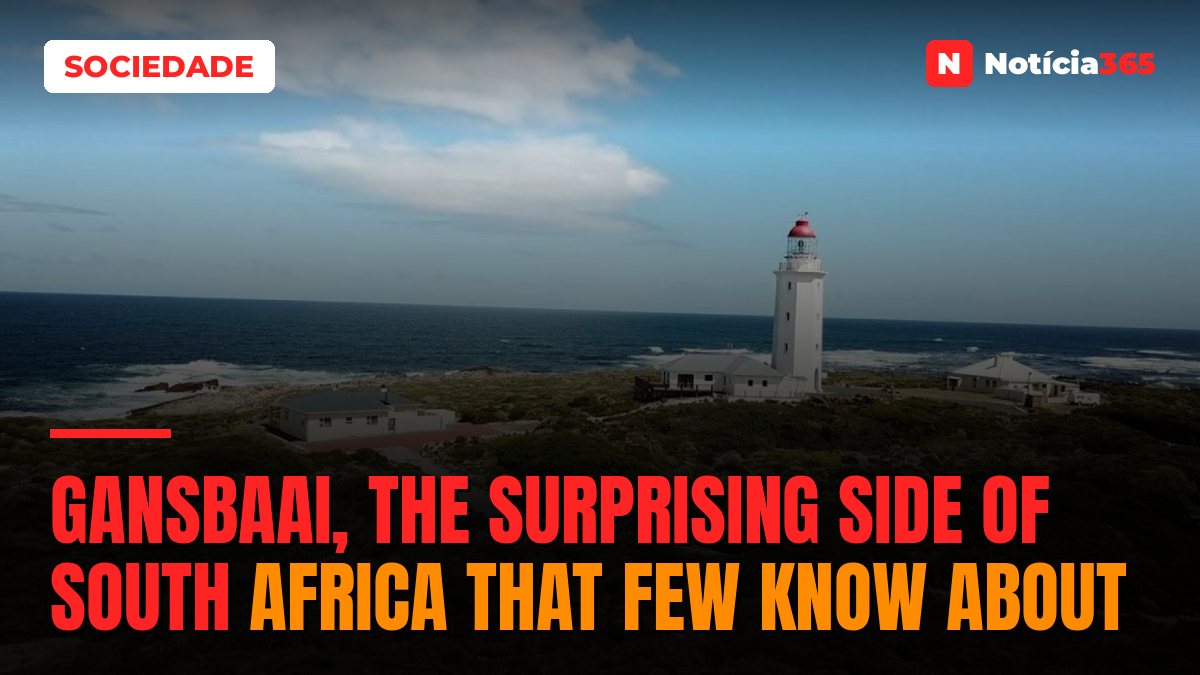
The beauty of the Gansbaai coastline contrasts with a history marked by shipwrecks and dangerous navigation zones. One of its most recognizable landmarks is the Danger Point Lighthouse, situated on a rocky promontory.
The lighthouse stands near the site where the British ship HMS Birkenhead sank in 1852. The tragedy claimed the lives of hundreds of people and was marked by the discipline of the soldiers, who remained in formation while women and children were given priority access to the lifeboats.
The lighthouse was later built to help ships navigate this particularly dangerous stretch of coastline. Today, the site is well worth a visit both for its historical significance and for its panoramic ocean views.
The Danger Point Lighthouse stands as a testament to how the sea has shaped Gansbaai’s identity—not only through its biodiversity but also through the history of navigation and coastal communities.
Food and Wine
A visit to Gansbaai isn’t complete without exploring its culinary offerings. As a town with a strong fishing tradition, it maintains a close connection to the sea, which is reflected in the local restaurants, where visitors can enjoy fresh seafood and traditional coastal-inspired dishes.
For a change of scenery, the Lomond Wine Estate, located inland, offers wine-tasting experiences in a setting characterized by the distinctive fynbos landscapes of the Overberg. The estate provides an opportunity to learn about local wine production and appreciate the relationship between wine and the region’s natural environment.
Its location also makes it an interesting stop for those wishing to explore the countryside beyond the coast. A wine tasting can be combined with an afternoon spent taking in the surrounding scenery.
For a more informal experience, the local restaurants and dining spots near the Gansbaai harbor offer a glimpse into the town’s everyday life, where the fishing tradition continues to play an important role.
Franskraal and Baardskeerdersbos
The region around Gansbaai has even more to offer for those with more time to spare. A trip along the coast allows you to discover the quieter corners of the Overberg, each with its own unique character.
In Franskraal, visitors will find long stretches of sandy coastline and small patches of milkwood forest. Pearly Beach, meanwhile, stands out for its wide beaches and serene atmosphere, ideal for those seeking a slower pace of travel.
Inland, the village of Baardskeerdersbos offers a different experience. Known for its artistic community and rural atmosphere, it allows you to discover a less touristy side of Overberg, away from the main coastal attractions.
These locations are especially interesting for travelers who have an extra day available and want to explore the region beyond the usual itineraries.
Source: Diário Económico
Original article: