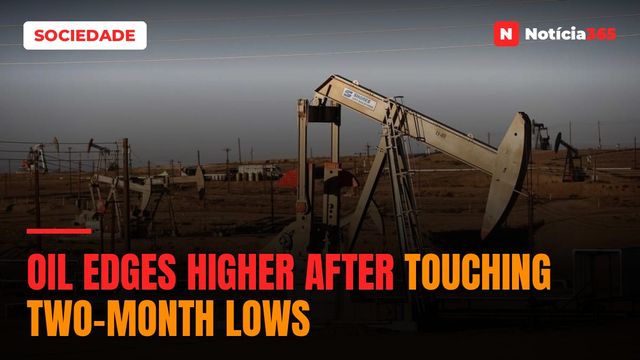

Oil prices are trading higher after two consecutive sessions of losses, as investors assess the prospects of a potential end to the conflict between the United States and Iran.
Brent crude, the European benchmark, is up 0.84% at $92.26 per barrel, having retreated 7% over the first two sessions of the week and briefly trading below $90 per barrel on Tuesday. West Texas Intermediate (WTI), the US benchmark, is gaining 0.46% at $86.44 per barrel.
Despite the recent declines, Brent continues to hold a gain of more than 50% since the start of the year. Even so, the oil market reversed sharply in November, with Brent pulling back from six-month highs amid expectations of an easing of the conflict and rising energy exports from the Persian Gulf. Oil continues to flow out of the Middle East despite attacks on shipping vessels, keeping downward pressure on futures contracts as shipments from the region approach pre-war levels.
“To the extent that both sides [the US and Iran] may come to sign a lasting agreement, it is likely to be a complex compromise that leaves many issues unresolved,” Pavel Molchanov, analyst at Raymond James & Associates, told Bloomberg. “But as long as the Strait of Hormuz is reopened on a sustained basis, that is what really matters for the oil market,” he added.
Meanwhile, the American Petroleum Institute (API) reported that US crude oil inventories increased by nine million barrels last week. Stocks of distillate products, such as diesel, which had fallen below 100 million barrels for the first time since 2003, rose by 1.5 million barrels, the organisation said, as cited by the financial newswire. Official data will be released on Thursday.
Separately, the US Energy Information Administration (EIA) revised upward its forecasts for retail fuel prices in 2027 and kept its estimate for US oil production unchanged at 14.3 million barrels per day.
Source: Diário Económico
Original article: https://www.diarioeconomico.co.mz/2026/11/11/commodities-3/petroleo-avanca-apos-duas-sessoes-consecutivas-de-quedas/