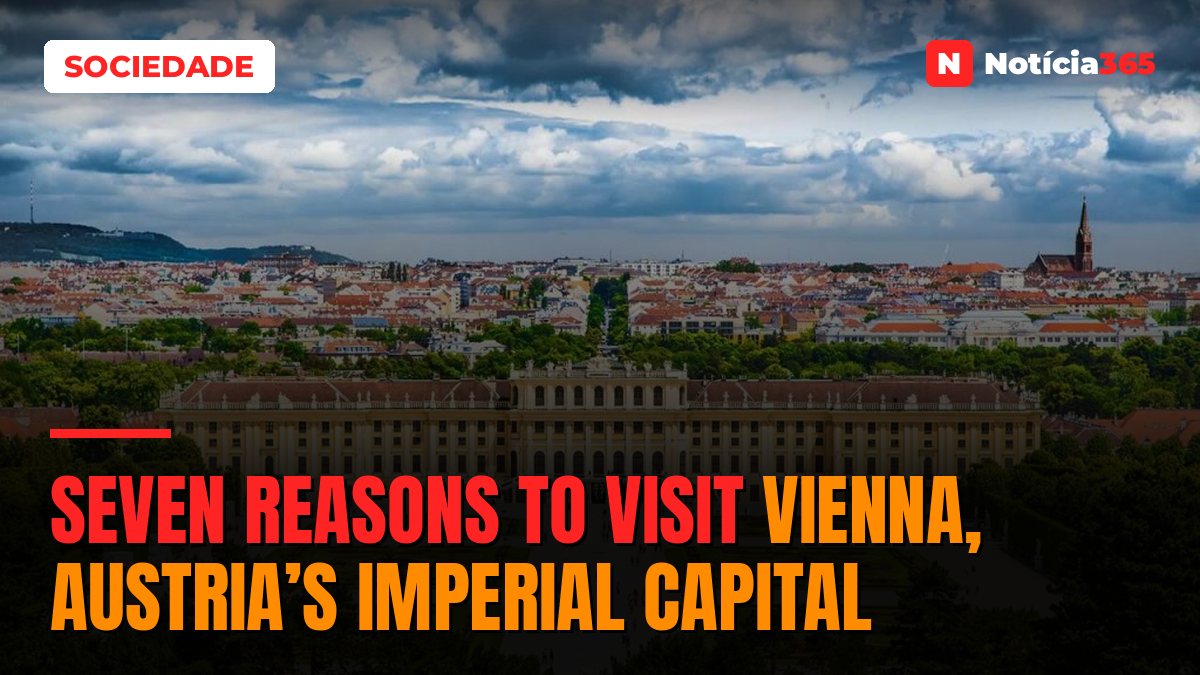

Between history, architecture and a vibrant cultural life, Vienna captivates visitors with a singular combination of tradition and modernity. The Austrian capital stands out for its imperial palaces, historic coffeehouses, classical music scene and green spaces that invite unhurried exploration.
Whether for the richness of its heritage, its gastronomy or the elegant atmosphere of its streets, there are compelling reasons to add Vienna to any travel itinerary.
1. The Opera
Vienna's opera tradition deserves attention on two levels: the State Opera house itself and the musical form it celebrates. To visit Vienna without attending an opera would be nothing short of a missed opportunity. The auditorium is widely regarded as the finest in Europe, and the entire surrounding environment evokes a classicism that has largely been lost to the pace of modernity.
2. The Architecture
The phrase 'an open-air museum' is overused in travel writing, but Vienna earns it. The city is home to the Museumsquartier, the eighth-largest cultural precinct in the world, anchored by buildings of striking baroque architecture. The district rewards visits both by day and after dark.
3. Safety and Cleanliness
Vienna's city centre presents an immaculately maintained streetscape — pale stone facades set against the weathered copper of statues and monuments. The preservation of central buildings, pavements and public spaces is remarkable, and it is precisely this standard of upkeep that sustains the city's distinctive lustre.
4. The Coffeehouses
Viennese coffeehouse culture is a way of life. Locals have long made a ritual of lingering over coffee while reading the newspaper, and most establishments are designed accordingly — with warm, welcoming rooms built for an unhurried breakfast or afternoon break. For a taste of the city's imperial heritage, Café Central is essential; visitors should try the rum and violet pastry, said to have been a favourite of Princess Sissi.
5. The Pastry Tradition
French pâtisserie may claim global pre-eminence, but it is worth recalling that the French royal court learned from the master pastry chefs of Vienna during their visits to the Austrian Empire — hence the term viennoiserie, familiar to anyone who frequents a quality bakery. Vienna has not lost its touch. Its pastry counters remain a destination in their own right: refined confections displayed with quiet pride in shop windows throughout the city.
6. The Museums
Even those with little interest in royalty will find the Schönbrunn Palace and the Imperial Hofburg Palace rewarding visits. Both offer a vivid and well-presented account of monarchical life at its height. The Belvedere Palace is another essential stop — not least because it houses Gustav Klimt's 'The Kiss', a work that invariably draws crowds. Seen in person, it is more striking still.
7. Classical Music
Vienna's streets may not echo with the sound of violins and pianos, but the city's walls are steeped in classical music history, and it becomes clear why so many composers and performers chose to make it their home. What sets Vienna apart is that it has not surrendered its identity to the pressures of contemporary urban life. Time passes, but the essence remains — and that, above all, is what makes Vienna one of the world's most remarkable cities.
Source: Diário Económico
Original article: https://www.diarioeconomico.co.mz/?p=555934