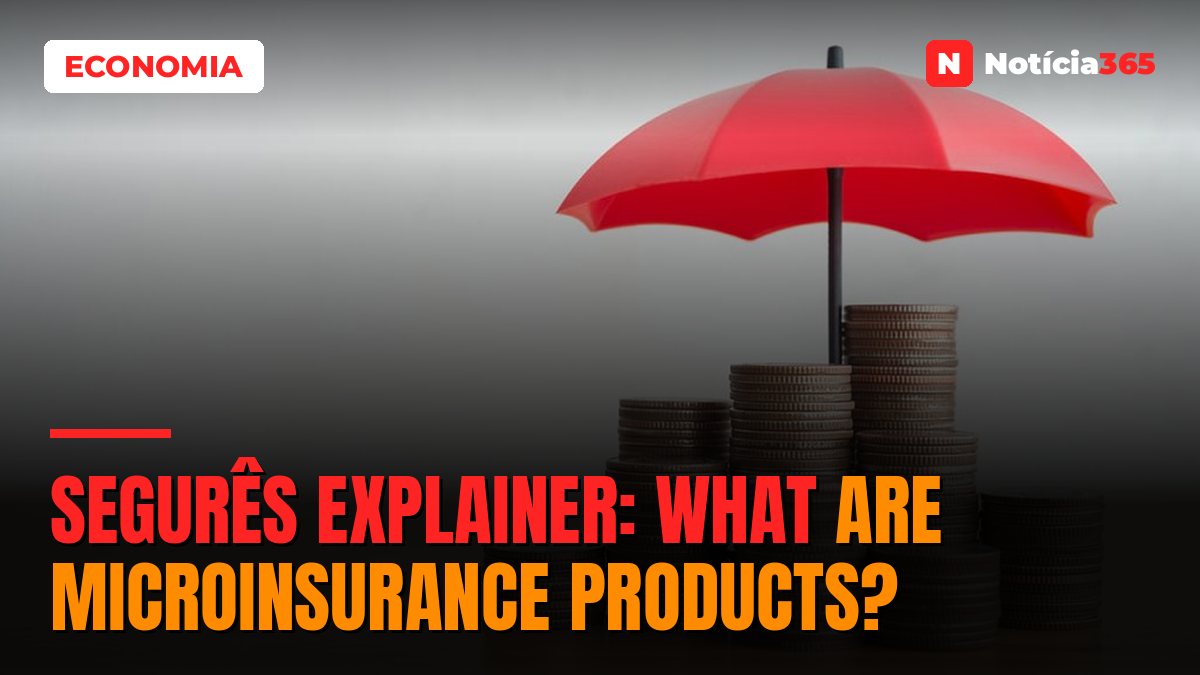

Microinsurance products are insurance instruments designed specifically to meet the needs of low-income individuals or those with limited access to financial services.
According to the Mapfre portal, this insurance modality provides coverage for events that may affect policyholders’ lives or livelihoods, including illness, accidents, and natural disasters, among others.
The simplicity of the contracting procedures, claims notification processes, and required documentation lowers barriers to access, making these products easier for target populations to obtain and use.

Who Can Take Out a Microinsurance Policy?
The answer to this question says much about the product itself: anyone can take out a microinsurance policy. This is, in fact, one of its principal advantages.
It is for this reason that microinsurance products are also known as ‘inclusive insurance’. This modality is regarded as an entry point for individuals who have never previously held any insurance cover, enabling them to access financial protection mechanisms for the first time.
It is worth noting that many traditional insurance products carry restrictions based on the client’s profile. Certain professions, for example, may face limitations when seeking to take out a life insurance policy.
In addition, some policyholders — particularly those with higher incomes — may have little interest in a life insurance policy carrying a low premium, on the grounds that the cover offered does not meet their financial needs.
Microinsurance products, by contrast, present eligibility criteria and contracting conditions that can be considerably more accessible and flexible than those associated with traditional insurance.
As a result, microinsurance can deliver benefits to both policyholders — by providing financial protection at a more affordable cost — and insurers, by enabling them to reach new population segments and broaden their customer base.
Source: Diário Económico
Original article: https://www.diarioeconomico.co.mz/?p=555704