- Rising fuel import costs, foreign currency shortages and State payment arrears are putting pressure on public finances, foreign exchange reserves and the private sector, limiting the Government’s ability to respond to external shocks.
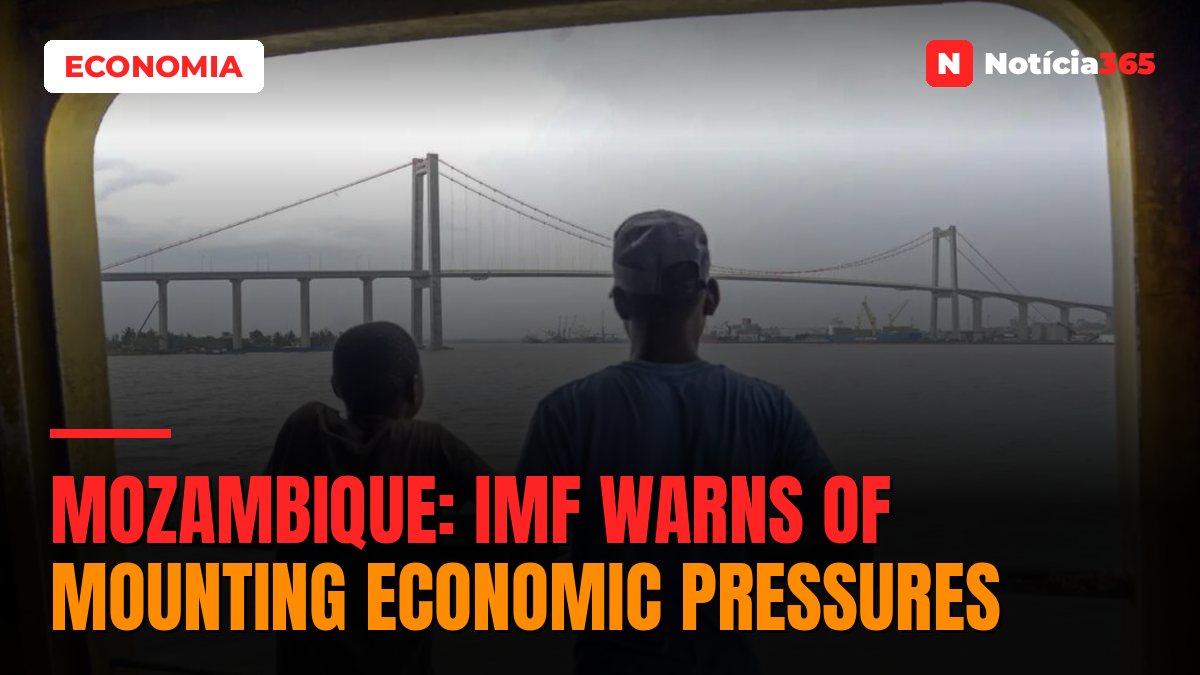
Rising international fuel prices, foreign currency shortages and difficulties in managing public finances are increasing the vulnerabilities of Mozambique’s economy. The International Monetary Fund (IMF) forecasts a deterioration in the current account balance and foreign exchange reserves, at a time when the Government’s ability to respond to external shocks is becoming increasingly limited.
The warning was issued on Wednesday during the presentation of the economic outlook for sub-Saharan Africa by the IMF’s Resident Representative in Mozambique, Olamide Harrisson. He highlighted the impact of rising energy costs on external and budgetary imbalances, as the country struggles to secure sufficient foreign currency to finance imports.
The IMF says rising fuel prices increase demand for foreign currency to pay for energy imports. The higher import bill could put further pressure on Mozambique’s external position, deplete foreign exchange reserves and limit the authorities’ ability to respond to additional shocks.
“In Mozambique, fuel prices are exacerbating foreign currency shortages and budgetary pressures, with both the current account balance and foreign exchange reserves expected to deteriorate. The hard-won room for policy manoeuvre is narrowing,” Harrisson said.
This scenario places Mozambique among the 20 sub-Saharan African economies whose terms of trade are expected to deteriorate in 2026. For this group, the IMF projects a slowdown in economic growth from 5% in 2025 to 4.6% in 2026. By contrast, in the 22 economies with prospects for improved terms of trade, growth is expected to accelerate from 4.3% to 4.5% over the same period.
The deterioration in the terms of trade means that Mozambique is paying more for its imports relative to the value of its exports. For a country heavily dependent on imported fuel, rising international prices mean a higher import bill, increasing demand for foreign currency and putting further pressure on production costs and public finances.
One of the Fund’s concerns relates to keeping fuel prices below the actual cost of importing them. When the State does not have sufficient financing to cover the difference, the burden ultimately falls on the public budget, importers or public utility companies, creating risks for the functioning of the market.
“When governments smooth price fluctuations, part of the cost is transferred to the budget, fuel importers or public utility companies if the support is not fully funded. This situation can give rise to payment arrears, shortages or rationing,” Harrisson warned.
Keeping prices down can provide temporary relief for consumers, but it does not eliminate the additional cost of imports. If the difference is not financed, it becomes a source of pressure on public spending or an obligation for sector operators, with consequences for supply.
State payment arrears threaten the private sector
The IMF identifies delays in State payments to private suppliers as another risk to economic activity.
The accumulation of outstanding payments reduces companies’ liquidity and can undermine their ability to meet their obligations to banks. Harrisson warned that this situation increases the risk of defaults on bank loans, potentially transmitting difficulties in public finances to the financial system and the private sector.
The IMF also points to the risks of disruptions in the energy sector, climate shocks and additional financing needs associated with insecurity and humanitarian assistance.
These factors could increase government expenditure and financing requirements in an environment of limited resources.
Regarding public debt, Harrisson considers that the reduction in the sovereign spread does not, in itself, mean that Mozambique has regained access to cheap financing.
The indicator fell from around 1,500 basis points in April to approximately 700 basis points currently. Nevertheless, borrowing costs remain a concern, given the pressures on public finances and the country’s external position.
Despite the risks, Harrisson acknowledged that economic policies adopted previously had contributed to macroeconomic stabilisation, helping to reduce inflation and create conditions for more robust growth.
Preserving these gains, however, depends on balanced management of public finances and the ability to respond to shocks without compromising stability.
Against this backdrop, the IMF advocates prudent management of public spending, protection of foreign exchange reserves and containment of fiscal risks, including those associated with fuel and payment arrears.
The challenge now will be to absorb external costs without exacerbating domestic imbalances, while safeguarding funding for investments essential to productive activity and economic growth.
Source: O País