- Offer period now runs to October 27 after opening on September 14
- IPO targets up to 10 million retail investors across Nigeria and Africa
- Refinery plans to raise as much as $2.1 billion to expand Lagos complex
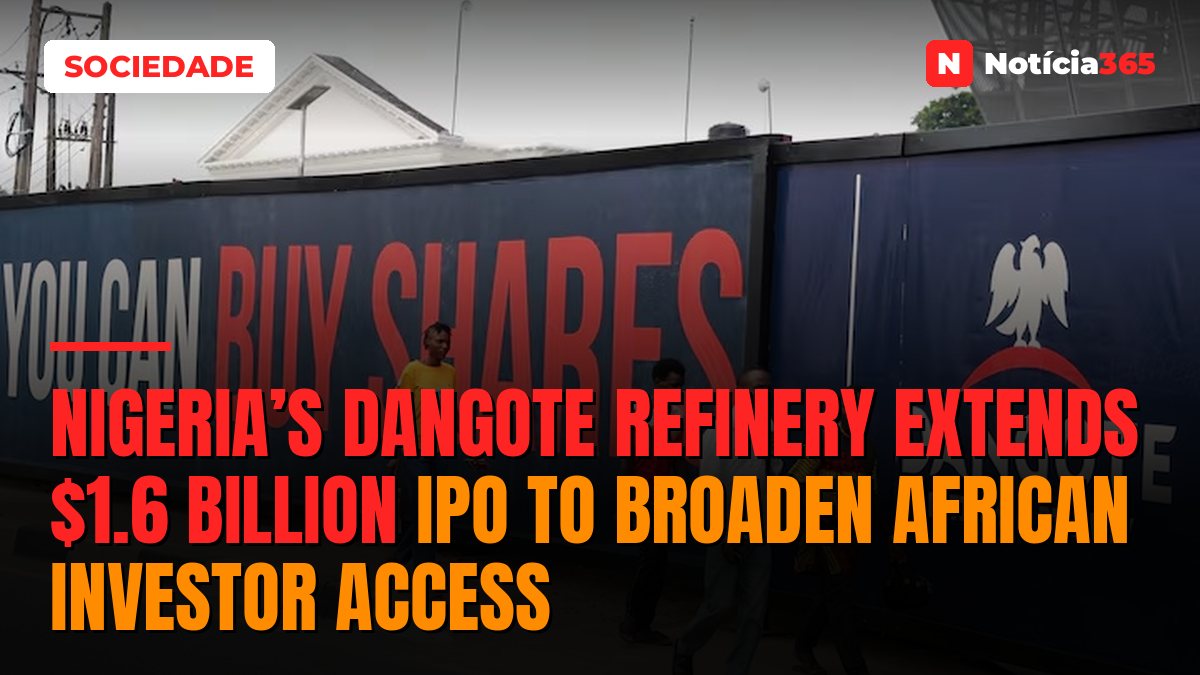
Nigeria’s Dangote Petroleum Refinery and Petrochemicals has extended the application period for its initial public offering by two weeks to October 27, citing strong investor interest across Africa and efforts to broaden access to the share sale.
The company said on Monday that Nigeria’s Securities and Exchange Commission had approved the extension of the offer, which opened on September 14 and had been due to close on October 13.
Reuters earlier reported the extension of what is set to be Africa’s largest share sale.
The refinery, owned by Africa’s richest person, Aliko Dangote, is seeking to broaden ownership of its 700,000-barrel-per-day complex through an offer aimed at up to 10 million retail investors in Nigeria and elsewhere across the continent.
The company said the extension would support market-access initiatives in other African countries, including expanding distribution channels and facilitating cross-border investment.
It said the additional time would also allow prospective investors to complete account-opening procedures, identity verification checks and other regulatory requirements needed to participate in the offer.
The prospectus showed the share sale was not registered as a public offering outside Nigeria, forcing investors to rely on local regulations or gain access through a limited number of eligible online investment platforms.
The mismatch between Dangote’s pan-African ambitions and the uneven take-up beyond Nigeria highlights how fragmented capital markets continue to hinder cross-border investment across the continent.
The IPO aims to raise around $1.6 billion — or up to $2.1 billion if an over-allotment option is exercised — from retail investors to help fund the expansion of the Lagos refinery.
The refinery, which began processing crude in early 2024, is central to Nigeria’s efforts to reduce fuel imports and become a net exporter of refined petroleum products.
The offering is viewed as a major test of pan-African retail investor appetite for ownership in a large industrial asset.