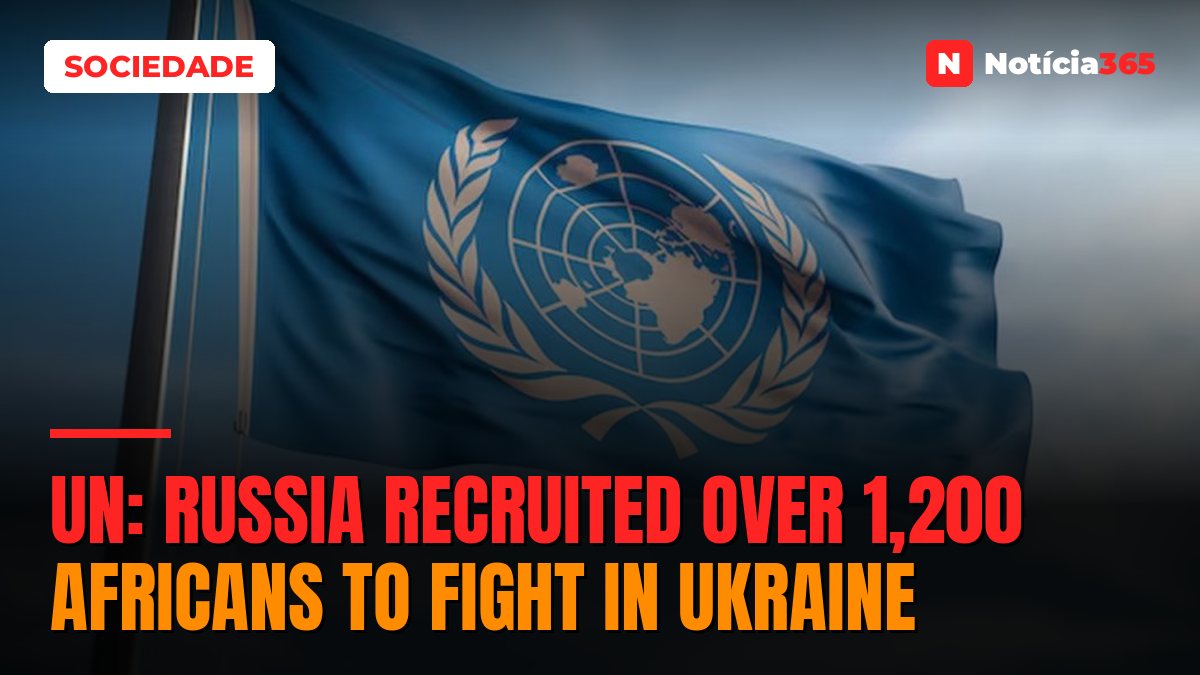

The Russian government recruited 1,229 citizens from Burundi and Zimbabwe to fight in Ukraine between January and September of this year, in addition to nationals from other African countries, according to a report by the United Nations Independent International Commission of Inquiry, cited by Bloomberg.
According to the document, Moscow recruited 699 men from Burundi in the first nine months of this year, compared with 30 during the whole of 2025. Over the same period, 530 Zimbabwean citizens were recruited, up from 65 recorded the previous year.
The Democratic Republic of Congo, Sierra Leone, Sudan, and Cameroon also registered significant increases in the number of citizens recruited, although the report does not provide detailed figures for those countries.

According to the UN commission, Russian authorities are said to have used deception or coercion to recruit citizens from 29 countries into their armed forces. Among the identified enticement mechanisms are promises of signing bonuses, high salaries, and facilitated access to Russian citizenship, based on accounts from relatives of those recruited.
Since the war began in 2022, Ukraine has identified 45,959 foreign nationals from 151 countries who have signed contracts with the Russian armed forces. Of that total, 5,451 are African, according to data presented by the UN commission.
Russia has been accused by Ukraine and international organisations of intensifying recruitment of foreign nationals, including Africans, to offset a shortage of military personnel. Moscow, however, has not publicly acknowledged the use of this practice in the terms described.
Several African governments have already warned their citizens about the risks associated with job offers in Russia. Botswana and South Africa have issued advisories to that effect, while Zimbabwe detained two Russian nationals suspected of involvement in recruitment for the armed forces.
The governments of Kenya and Ghana have also formally requested that Moscow halt these activities. In Kenya, officials stated that at least one thousand of the country’s citizens may have been recruited.
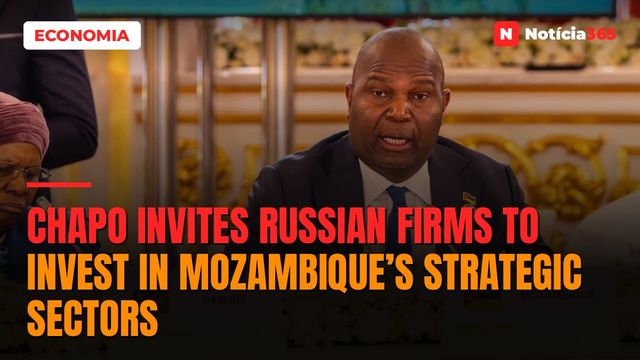
The release of the report coincides with the III Russia-Africa Summit, taking place in Moscow and bringing together representatives from 48 African countries, including 22 heads of state, according to Russian state media. Among the Lusophone participants are the presidents of Mozambique, Daniel Chapo, and Equatorial Guinea, Teodoro Obiang.
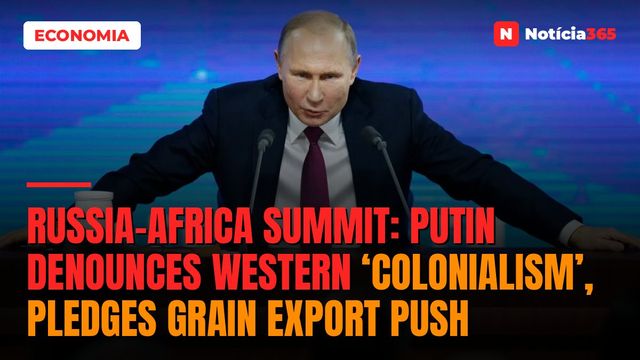
The summit is taking place against a backdrop of Russia’s expanding political and diplomatic influence on the continent. In an article on Moscow’s presence in Africa, The Economist notes that President Vladimir Putin seeks to present Russia as a defender of the so-called ‘Global South’ against Western neocolonialism.
At this edition, participants are expected to adopt three documents: the summit’s final declaration, an Action Plan for 2027–29, and a declaration on cooperation in the peaceful use of artificial intelligence technologies.
The Economist also highlights Russia’s use of cultural diplomacy, the Orthodox Church, higher education, media, and professional associations to expand its influence. Among the examples cited is the inauguration of a ‘Russia House’ in São Tomé and Príncipe in September.
The III Russia-Africa Summit includes sessions dedicated to cooperation in transport, historical memory, and the fight against neocolonialism. Running in parallel is the Russia-Africa Economic and Humanitarian Forum, held under the theme ‘Together We Develop Mutually Beneficial Cooperation and the Potential of Each African Country’.
The first edition of the summit was held in October 2019 in Sochi, with the aim of defining priorities for political, economic, and scientific-technical cooperation between Russia and African countries.
At this edition, participants are expected to adopt three documents: the summit’s final declaration, an Action Plan for 2027–29, and a declaration on cooperation in the peaceful use of artificial intelligence technologies.
Source: Diário Económico
Original article: https://www.diarioeconomico.co.mz/2026/10/29/mundo/africa/iii-cimeira-russia-africa-onu-denuncia-recrutamento-de-mais-de-1200-africanos-para-combater-na-ucrania/