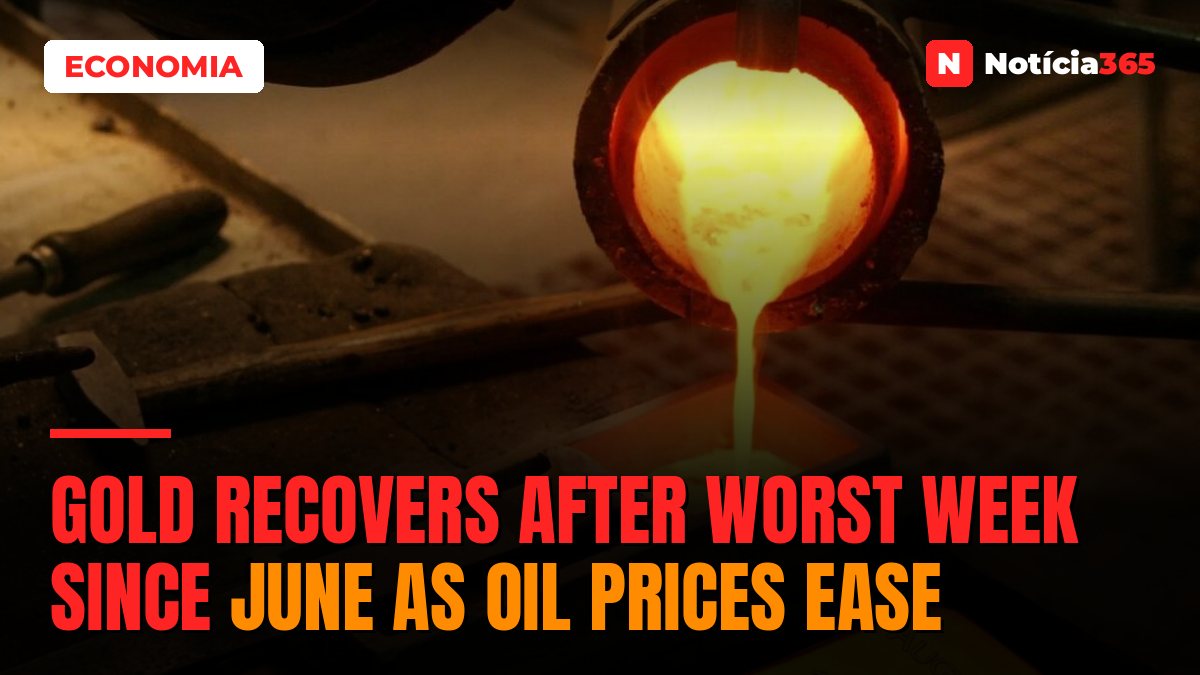

Gold is managing to recover ground on Monday, 26 October, after recording its worst weekly performance since June, having come under pressure from a fresh escalation in oil prices that pushed crude to six-month highs. Relief is now spreading through energy markets, with crude prices retreating more than 1% and investors modestly trimming their expectations for interest rate increases by the US Federal Reserve.
In morning trading, gold accelerated 0.56% to $4,016.66 per ounce, managing to trade above the $4,000 mark once again after losing more than 4% of its value in the previous week. Even so, the yellow metal remains under pressure and well below the historic highs reached at the start of the year, having already shed more than 7% of its value in 2026.
“Gold is being supported by a general improvement in risk appetite,” Ole Sloth Hansen, Head of Commodity Strategy at Saxo Bank, told Bloomberg. “Everything is closely linked to last week’s equity market correction and the rise in oil prices. This partial reversal is giving markets — including gold — some room to breathe,” he added.
The swaps market is pricing out a rate hike at this week’s Fed meeting, with the probability of a move sitting below 10%. However, persistently elevated energy prices are leading investors to price in a 25 basis point increase at the central bank’s December meeting.
Gold, which bears no yield, tends to lose value in a more restrictive monetary policy environment. In a further sign that the path ahead remains difficult for the precious metal, holdings in gold-backed exchange-traded funds (ETFs) fell by more than ten tonnes on Friday — a move that continued a trend seen in previous sessions, though at a considerably larger scale.
Source: Diário Económico
Original article: https://www.diarioeconomico.co.mz/2026/10/26/mercados/commodities/ouro-recupera-terreno-apos-viver-pior-semana-desde-junho/